A Strategic Roadmap for Aligning Cybersecurity and Continuous Compliance
Introduction
Keeping up with cybersecurity and compliance requirements has become a constant challenge for modern businesses. Regulations evolve quickly, cyber threats continue to grow, and IT teams are expected to manage both without interrupting day-to-day operations. For many organizations, the pressure comes from trying to secure sensitive data while also meeting strict industry standards at the same time.
The financial impact of falling behind can be significant. The global average cost of a data breach reached $4.88 million in 2024, according to IBM research. Beyond the financial losses, businesses also risk reputational damage, regulatory penalties, and reduced customer trust.
Because of this, organizations can no longer rely on reactive IT fixes or temporary security measures. A long-term compliance strategy requires continuous monitoring, proactive planning, and a security framework that evolves alongside regulatory changes. Businesses that take a structured approach are far better positioned to reduce risk and maintain operational stability.
Baseline Cybersecurity vs. Regulatory Compliance: Understanding the Difference
Many organizations assume cybersecurity and compliance are the same thing, but they serve different purposes. Cybersecurity focuses on protecting systems, networks, and data from threats like malware, phishing attacks, and unauthorized access. Compliance, on the other hand, involves following documented legal and industry standards that govern how sensitive information should be handled.
A business may have strong cybersecurity tools in place, yet still fail a compliance audit because it lacks proper documentation or monitoring processes. Firewalls and antivirus software alone are not enough to satisfy regulations such as HIPAA, PCI-DSS, or CMMC.
Treating compliance as a once-a-year checklist creates major operational risks. Regulations change frequently, and waiting until an audit is approaching often leads to rushed updates and overlooked vulnerabilities. Continuous compliance requires ongoing oversight built directly into daily IT operations.
The consequences of falling short are becoming more expensive every year. Organizations that fail to align their security controls with compliance standards face higher risks of financial penalties, operational disruptions, and reputational damage.
Why Industry-Specific Regulations Matter
Different industries face different security challenges, which is why regulatory requirements vary so widely. Healthcare organizations manage patient records protected under HIPAA, while retailers handling payment information must follow PCI-DSS standards. Government contractors dealing with sensitive information are often required to comply with CMMC requirements.
The stakes are especially high in industries handling confidential data. IBM research shows that healthcare breaches remain among the most expensive across all sectors, with financial services also facing exceptionally high breach costs.
Other industries deal with unique operational concerns. Construction companies often need to secure devices and systems used across temporary job sites, while law firms must protect confidential client communications and case files. In every case, failing to meet industry-specific requirements can result in severe financial and reputational consequences.
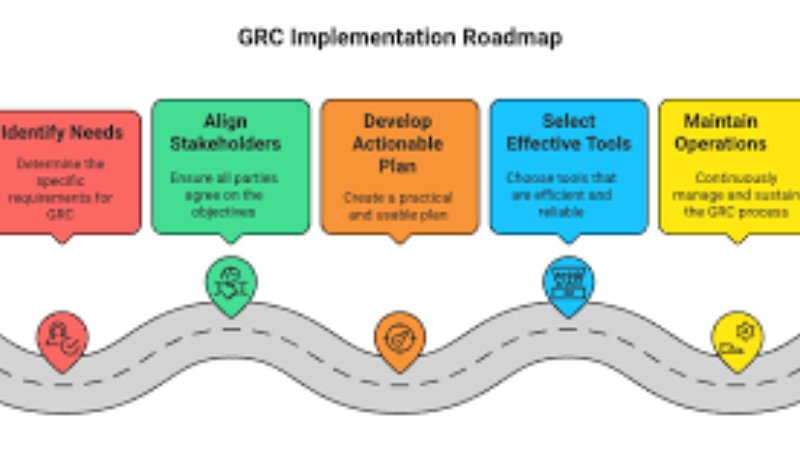
Building a Roadmap for Continuous Compliance
Compliance is not something businesses achieve once and then forget about. It requires continuous improvement, regular monitoring, and the ability to adapt as regulations evolve.
A structured roadmap helps organizations align security operations with compliance goals while reducing unnecessary complexity.
Step 1: Start with a Security and Risk Assessment
The first step is understanding your current environment. Businesses need a detailed assessment that identifies vulnerabilities, outdated systems, and compliance gaps across the network.
A proper audit goes beyond running a simple software scan. It evaluates configurations, access controls, hardware health, backup procedures, and existing security policies. This process helps organizations uncover hidden weaknesses before they become larger problems.
The results of a risk assessment also make budgeting and planning much easier. Instead of guessing where improvements are needed, businesses can prioritize the most critical issues first.
Step 2: Identify Shared Security Controls
Organizations often struggle because multiple compliance frameworks appear overwhelming at first glance. However, many regulations share similar requirements.
Controls such as multi-factor authentication, encryption, and role-based access management commonly appear across HIPAA, PCI-DSS, and CMMC standards. Implementing shared controls allows businesses to strengthen security while reducing duplicate work.
| Security Control | HIPAA | PCI-DSS | CMMC |
| Multi-Factor Authentication | Protects remote access to patient data | Required for remote network access | Protects access to controlled information |
| Data Encryption | Secures sensitive healthcare records | Protects payment information | Safeguards confidential data |
| Access Management | Restricts unauthorized access | Limits cardholder data access | Ensures only approved users gain entry |
This “build once, satisfy many” approach makes compliance management more efficient and easier to maintain long term.
Step 3: Move from Reactive Fixes to Proactive Security
Traditional break/fix IT strategies create unnecessary risk because they focus on solving problems only after systems fail. This approach leaves gaps in both security and compliance records.
Proactive security management helps businesses reduce risk before disruptions occur. Continuous monitoring, regular patching, and early threat detection help prevent issues from escalating into major incidents.
Organizations that adopt this approach spend less time responding to emergencies and more time improving long-term operational stability. Businesses seeking IT support in Columbia SC often prioritize proactive monitoring and continuous compliance strategies to minimize recurring IT disruptions.
The Importance of Strategic IT Leadership
Managing cybersecurity and compliance effectively requires more than technical support alone. Businesses also need strategic guidance to align technology decisions with long-term goals.
How a vCIO Supports Long-Term Planning
A Virtual Chief Information Officer, or vCIO, helps organizations create a long-term technology roadmap that supports both operational growth and compliance requirements.
Instead of focusing only on day-to-day IT issues, a vCIO evaluates future risks, regulatory changes, and technology investments from a broader business perspective. This helps organizations avoid unnecessary spending while improving overall infrastructure planning.
Strategic leadership also helps businesses prepare for future compliance requirements before they become urgent problems.
Why Certifications and Expertise Matter
Not all IT providers are equipped to handle advanced compliance requirements. Businesses should work with professionals who hold recognized certifications such as CISSP, CISA, CCSP, or OSCP.
These certifications demonstrate expertise in cybersecurity governance, risk management, auditing, and compliance frameworks. Experienced professionals understand how auditors evaluate systems and can help organizations prepare more effectively for compliance reviews.
Working with qualified experts also reduces the likelihood of overlooking critical vulnerabilities or documentation gaps.
Conclusion
Cybersecurity and compliance can no longer operate as separate initiatives. Businesses need a unified strategy that combines proactive security, continuous monitoring, and long-term planning to stay protected and compliant.
Regular audits, shared security controls, and executive-level IT guidance all play an important role in creating a stronger and more resilient infrastructure. Organizations that invest in proactive planning are far better equipped to handle evolving regulations and emerging cyber threats.
Rather than waiting for a failed audit or costly breach to force changes, businesses should take steps now to strengthen their compliance strategy and secure their long-term operations.