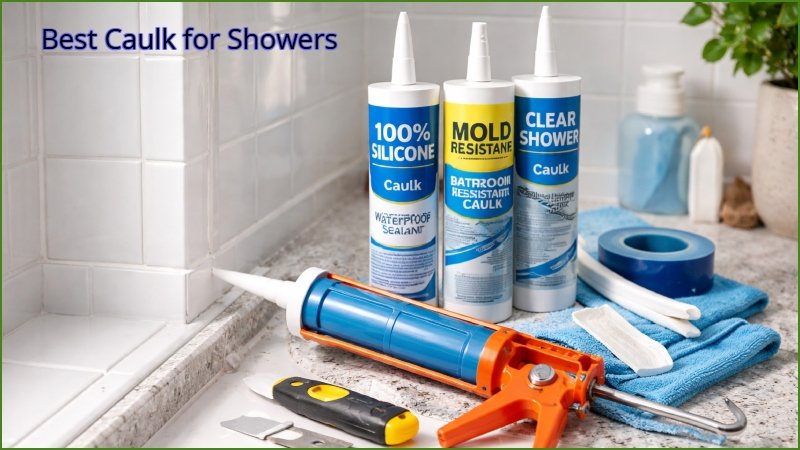
Best Caulk for Showers A clean, well-sealed shower isn’t just about looks—it’s about protection. Water damage, mold growth, and cracked joints often start with one simple problem: the wrong caulk. If you’ve ever dealt with peeling edges or black mold lines, you already know how frustrating it can be. Choosing the best caulk for showers can feel overwhelming. There are dozens of options, each claiming to be waterproof, mold-resistant, and long-lasting. But not all caulks are created equal—and picking the wrong one can cost you time and money.
This guide breaks everything down clearly. You’ll learn what works, what doesn’t, and how to get a professional-quality seal that actually lasts.
Why Choosing the Right Shower Caulk Matters
Your shower is one of the wettest areas in your home. Constant exposure to water, humidity, and temperature changes puts stress on every joint and seam.
A good caulk does three important things:
- Prevents water leaks behind tiles
- Blocks mold and mildew growth
- Keeps your bathroom looking clean and fresh
A poor-quality sealant, on the other hand, cracks, shrinks, and fails quickly.
Types of Caulk Used in Showers
Before choosing the right product, you need to understand the main types available.
Silicone Caulk
Silicone is widely considered the best silicone caulk for shower use.
It offers:
- Excellent waterproofing
- Strong flexibility
- Long-lasting performance
It doesn’t shrink or crack easily, which makes it ideal for wet environments.
Acrylic Caulk
Acrylic (or latex) caulk is easier to apply and clean. However, it’s less durable in wet areas.
It’s sometimes used for:
- Low-moisture areas
- Temporary fixes
But for showers, it’s not the strongest choice.
Polyurethane Caulk
This type is extremely strong and durable.
However:
- It’s harder to apply
- It’s less commonly used in bathrooms
Still, when strength matters, it can be the strongest caulk for bathroom applications.
Silicone vs Acrylic Caulk for Shower
This is one of the most common questions.
Silicone wins for showers. Here’s why:
- Fully waterproof
- Resistant to mold
- Flexible under pressure
Acrylic may seem easier to use, but it doesn’t hold up well in constant moisture.
So when deciding between silicone vs acrylic caulk for shower, silicone is the clear winner.
What Makes a Shower Caulk High Quality?
Not all products labeled “waterproof” perform the same. The top rated shower caulk usually has these features:
1. Waterproof Protection
Look for products labeled as a shower caulk waterproof sealant. These create a tight seal that prevents water penetration.
2. Mold and Mildew Resistance
The best mold resistant caulk for shower areas contains antimicrobial additives that stop black mold growth.
3. Flexibility
Showers expand and contract due to temperature changes. Flexible caulk prevents cracking.
4. Adhesion Strength
The caulk must bond well to surfaces like tile, glass, and acrylic tubs.
Best Caulk for Different Shower Areas
Different parts of your shower may need slightly different solutions.
Shower Tiles
The best caulk for shower tiles should:
- Stick firmly to grout and ceramic
- Resist discoloration
- Stay flexible
Silicone-based sealants are ideal here.
Bathtub and Shower Joint
The seam between the tub and wall is a high-risk leak zone.
The best caulk for bathtub and shower areas should:
- Be fully waterproof
- Resist peeling
- Handle movement
Shower Corners
Corners are stress points where cracks often appear.
The best caulk for shower corners needs high elasticity to prevent splitting.
Glass Shower Doors
Clear sealants are preferred here.
The best clear caulk for shower glass should:
- Be transparent
- Resist yellowing
- Maintain a clean look
How to Choose Caulk for Shower
If you want a seal that lasts, don’t just grab the cheapest option. Instead, focus on these factors:
Check the Label
Look for terms like:
- “100% silicone”
- “Waterproof”
- “Mold resistant”
Consider Your Bathroom Conditions
High humidity? Go for the best shower sealant for mold and mildew.
Frequent use? Choose a heavy-duty option.
Match the Surface
Different materials need different bonding strengths:
- Tile → Silicone
- Acrylic → Flexible sealant
- Glass → Clear silicone
Common Reasons Why Caulk Cracks in Shower
Even the best product can fail if applied incorrectly.
Here’s why it happens:
Poor Surface Preparation
Dirt, soap residue, or old caulk prevents proper adhesion.
Using the Wrong Type
Acrylic caulk in a wet area will fail quickly.
Movement and Expansion
Bathrooms experience constant temperature changes.
Thin Application
Too little caulk leads to weak seals.
Understanding why caulk cracks in shower areas helps you avoid repeat problems.
How to Fix Shower Caulk Properly
Fixing caulk isn’t complicated, but it must be done right.
Step 1: Remove Old Caulk
Use a scraper or caulk removal tool.
Step 2: Clean the Surface
Make sure it’s dry and free of residue.
Step 3: Apply New Caulk
Use steady pressure and a smooth motion.
Step 4: Smooth the Line
Use a finger or tool for a clean finish.
Step 5: Let It Cure
Avoid water exposure for at least 24 hours.
Learning how to fix shower caulk properly ensures long-lasting results.
How Long Does Shower Caulk Last?
On average, shower caulk lasts:
- 3 to 5 years for high-quality silicone
- 1 to 2 years for lower-quality products
The best caulk to prevent mold in shower areas tends to last longer because it resists degradation.
However, lifespan depends on:
- Usage frequency
- Ventilation
- Cleaning habits
Silicone vs Polyurethane Caulk for Bathroom
When comparing polyurethane vs silicone caulk bathroom options:
Silicone
- Better for wet environments
- More flexible
- Easier to apply
Polyurethane
- Stronger adhesion
- Better for heavy-duty joints
For most homeowners, silicone remains the practical choice.
What Is the Best Caulk for Tile Shower?
If you’re wondering what is the best caulk for tile shower, the answer is simple:
100% silicone caulk with mold resistance.
It handles moisture, sticks well to tile, and lasts longer than alternatives.
Best Waterproof Caulk for Bathroom Use
A good sealant must block water completely.
The best waterproof caulk for bathroom areas will:
- Form a tight seal
- Resist shrinking
- Stay flexible over time
This is critical for preventing hidden water damage.
Best Bathroom Sealant for Shower Areas
The best bathroom sealant for shower spaces combines:
- Waterproofing
- Mold resistance
- Strong adhesion
Avoid general-purpose sealants. Always choose one designed specifically for bathrooms.
Best Caulk for Showers and Tubs 2026 Trends
Modern sealants are improving rapidly.
In 2026, the best caulk for showers and tubs 2026 includes:
- Faster curing formulas
- Enhanced mold protection
- Longer lifespan
Manufacturers are focusing on durability and ease of application.
Best Caulk for Wet Areas Bathroom
Bathrooms are considered high-moisture zones.
The best caulk for wet areas bathroom use should:
- Handle constant water exposure
- Resist mildew
- Maintain flexibility
Silicone remains the top choice here.
Final Thoughts
Choosing the best caulk for showers is not just about sealing gaps—it’s about protecting your bathroom from long-term damage.
A high-quality silicone-based sealant offers:
- Reliable waterproofing
- Strong mold resistance
- Long-lasting durability
If you apply it correctly and maintain it well, you can avoid leaks, mold, and costly repairs for years.
Take your time, choose wisely, and your shower will stay clean, safe, and sealed.
FAQs
What is the best caulk for showers?
The best option is 100% silicone caulk with mold resistance. It provides strong waterproofing and long-term durability.
Is silicone or acrylic caulk better for shower?
Silicone is better because it is waterproof, flexible, and resistant to mold.
How often should shower caulk be replaced?
Typically every 3–5 years, depending on quality and usage.
Why does my shower caulk keep cracking?
Cracking happens due to poor application, wrong material choice, or constant expansion and contraction.
Can I apply new caulk over old caulk?
No. Always remove old caulk completely before applying a new layer.
Which caulk is waterproof for shower use?
100% silicone caulk is the most reliable waterproof option.
For more ideas and inspiration, explore Interior Design DrHomey for modern home design solutions.