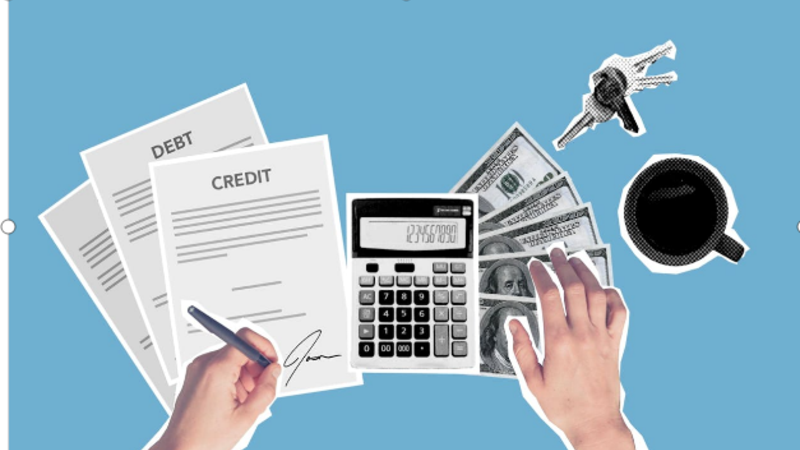
Have you ever felt like your money disappears faster than you can track it? Prices keep rising, yet paychecks often feel stuck in place, which leaves many people adjusting on the fly. A better lifestyle does not always mean earning more, but handling what you already have with intent. In this blog, we will share practical money habits that improve daily life without making things complicated.
Rethinking Daily Spending Without Cutting Joy
Most people assume improving finances means cutting everything that feels good, yet that approach rarely lasts. A better way to handle spending starts with noticing patterns instead of forcing strict rules. When you track where your money goes for even a week, certain habits stand out without much effort.
Take food spending as an example, which has become harder to manage with rising grocery prices across the U.S. Many households now spend more on takeout simply because it feels easier after long workdays. Instead of cutting it out, shifting it can work better. Cooking three extra meals at home each week, while keeping one or two takeout nights, creates balance without feeling restrictive.
Subscriptions are another quiet drain that reflects current habits. Streaming platforms, fitness apps, and random free trials often stack up without much notice. Canceling even two unused services can free up money that feels small at first but adds up over months.
Managing Credit and Borrowing With Clear Intent
Handling borrowed money requires more than just keeping up with payments, especially in a time when interest rates shift based on broader economic trends. Over the past year, rising rates have made borrowing more expensive, which has pushed many people to pay closer attention to terms before committing.
When reviewing options, understanding how personal loan rates affect monthly payments can make a real difference in long-term planning. A lower rate does not just reduce what you pay each month, it also cuts down the total amount over time, which makes repayment feel more manageable.
Many people now use online tools to compare offers before making decisions, and that shift reflects a broader move toward more informed borrowing. It is no longer just about getting approved, but about choosing terms that fit your income and lifestyle.
The one time you consider a loan, it should be tied to a clear purpose rather than short-term convenience. Borrowing for something that adds value, like education or necessary expenses, tends to feel different from using credit to cover routine spending gaps.
It also helps to think ahead about repayment. Look at your monthly income and set a comfortable range for what you can afford. Staying within that range keeps borrowing from turning into long-term pressure.
Building Stability Through Simple Systems
Financial stability often sounds complex, yet it usually comes down to a few systems that run quietly in the background. The first of these is consistent saving, even if the amount feels small at the start. Setting aside a fixed portion of your income each month builds a cushion that reduces stress over time.
Recent economic uncertainty has shown how quickly unexpected costs can appear. Medical bills, car repairs, or sudden job changes have become common concerns, which makes having an emergency fund more important than ever. Even a few hundred dollars can create breathing room when something unexpected happens.
Another system that helps is separating essential and non-essential spending. When you know what must be paid each month, like rent, utilities, and groceries, it becomes easier to manage the rest without feeling lost. This approach keeps your priorities clear without requiring strict budgets that feel hard to follow.
Automation can also play a role. Setting up automatic transfers to savings or automatic bill payments reduces the chance of missing deadlines. It also removes the need to make the same decision every month, which can wear people down over time.
Aligning Money With How You Actually Live
A better lifestyle comes from aligning your spending with what matters to you, rather than following general advice that may not fit your situation. Some people value travel, while others focus on stability or family needs. The goal is not to match someone else’s priorities, but to make your own choices feel intentional.
In recent years, social media has shaped how people think about money, often showing polished versions of success that leave out the details. This creates pressure to spend in ways that do not always match reality. Recognizing that gap helps you step back and make decisions based on your own circumstances.
It also helps to check in with your habits regularly. What worked six months ago may not fit your current situation. Adjusting your approach without guilt keeps your finances flexible and realistic.
Long-term thinking plays a role here as well. Small choices made consistently, like saving a portion of income or limiting unnecessary expenses, tend to have a bigger impact than occasional large changes. Over time, these habits shape a lifestyle that feels steady rather than reactive.
Keeping Progress Real and Sustainable
Improving your financial life does not require a complete reset. It works better as a gradual shift that builds over time. Trying to change everything at once often leads to burnout, which brings people back to old habits.
Instead, focus on one or two changes at a time. For example, tracking spending for a week, then adjusting one category the following month, keeps the process manageable. Each step builds on the last, creating momentum without pressure.
It also helps to accept that setbacks will happen. Unexpected costs, missed savings goals, or periods of higher spending are part of real life. What matters is returning to your plan without overthinking the slip.
The broader trend toward financial awareness shows that more people are paying attention to how money moves through their lives. This shift is not about perfection, but about clarity. When you understand your habits and adjust them over time, your lifestyle improves in ways that feel steady and lasting.
A better financial life rarely comes from one big decision. It grows from small, consistent actions that fit your daily routine and your long-term goals.