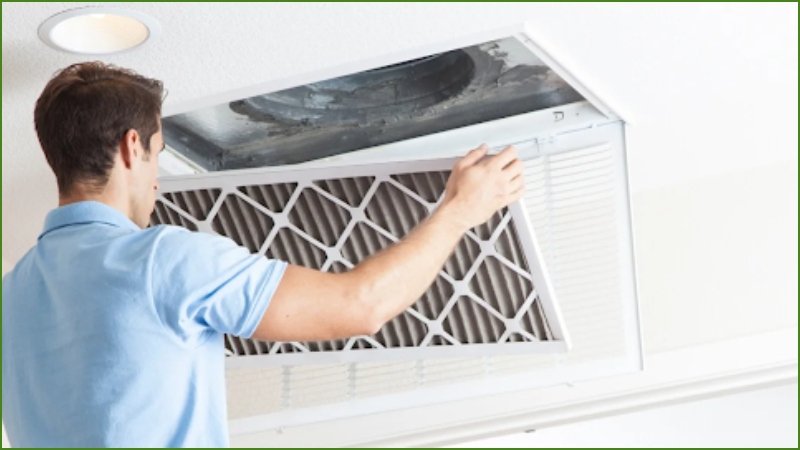
Understanding the Hidden Dangers in Your Ventilation System
Most homeowners trust their heating, ventilation, and air conditioning systems to provide clean, comfortable air throughout their living spaces. After all, these systems are designed to regulate temperature and filter out impurities. However, what many people do not realize is that the very equipment meant to protect indoor air quality can sometimes become a significant source of allergens and irritants. When How Your HVAC System are not properly maintained, they can harbor dust, mold, pollen, and other contaminants that circulate continuously through every room in the house.
This problem becomes especially relevant in San Antonio, where the local climate and environmental conditions create unique challenges for residential ventilation. The combination of high humidity, intense heat, and specific regional allergens means that local homeowners need to pay particular attention to how their systems function over time. Understanding how these hidden allergy sources develop is the first step toward addressing them effectively.
How Allergens Accumulate in HVAC Systems
The Role of Dust and Debris Buildup
Every time an HVAC system operates, it pulls air from inside the home through return vents, conditions that air, and then distributes it back through supply ducts. During this process, the system captures a significant amount of airborne particles. While filters are designed to trap much of this material, they are not perfect barriers. Over time, fine dust, skin cells, pet dander, and other microscopic debris bypass or settle within the ductwork itself.
In San Antonio, this accumulation happens faster than in many other regions due to the nature of local soil and air quality. The fine caliche dust that blows in from the surrounding Hill Country, combined with pollen from native vegetation like mountain cedar and live oak, creates a particulate load that can overwhelm standard filtration. Once inside the ducts, these particles settle on interior surfaces, where they remain until disturbed by airflow and recirculated into living spaces.
Moisture and Mold Growth
Humidity represents another major factor in HVAC contamination. San Antonio’s subtropical climate means that outdoor humidity levels regularly climb above seventy percent during summer months. When air conditioning systems cool this humid air, condensation forms on coils and within ductwork, particularly in unconditioned attic spaces where temperature differentials are greatest.
This moisture, when combined with accumulated organic debris, creates ideal conditions for mold and mildew growth. Dark, enclosed duct passages provide the perfect environment for these microorganisms to flourish undisturbed. Once established, mold colonies release spores into the airflow, distributing them throughout the home every time the system activates. For allergy sufferers, these spores can trigger significant respiratory symptoms that seem to have no obvious source.
Regional Factors That Worsen the Problem
San Antonio’s Unique Allergen Profile
The specific allergens present in South Texas make HVAC contamination particularly problematic for local residents. Mountain cedar pollen, which peaks during winter months, is notorious for causing severe allergic reactions. Oak and pecan tree pollens dominate spring, while various grass species contribute throughout the warm season. These locally prevalent allergens enter homes through open windows, door traffic, and clothing, eventually making their way into ventilation systems.
Unlike outdoor exposure, which fluctuates with weather and season, allergens trapped in ductwork provide continuous exposure. Every time the HVAC system cycles on, it can redistribute these particles into breathing zones, creating persistent symptoms that do not improve even when outdoor pollen counts drop. This explains why some San Antonio residents experience allergy symptoms year-round despite avoiding obvious outdoor triggers.
Dust Storms and Construction Debris
The region also experiences periodic dust storms that introduce large quantities of fine particulate matter into residential environments. Construction activity, whether from neighborhood development or home renovation projects, adds additional debris that standard filtration may not capture effectively. Once these materials enter the duct system, they can remain for extended periods, continuously affecting indoor air quality.
Health Impacts of Contaminated Systems
Respiratory Symptoms and Sensitivities
When HVAC systems become allergy sources, the health effects can range from mild to severe. Common symptoms include persistent sneezing, nasal congestion, itchy eyes, and throat irritation. For individuals with asthma, exposure to contaminated air can trigger bronchospasm and breathing difficulties. Children, elderly family members, and those with compromised immune systems are particularly vulnerable to these effects.
The insidious nature of this problem lies in its hidden source. Because the ductwork is largely invisible, occupants may not connect their symptoms to the ventilation system. They might blame outdoor pollen, pet dander, or other obvious allergens while the true culprit continues operating unnoticed behind walls and above ceilings.
Chronic Exposure Concerns
Long-term exposure to mold spores and dust mite debris, both of which can thrive in contaminated HVAC systems, has been associated with more serious health concerns. Some individuals may develop sensitivities over time, experiencing increasingly severe reactions to lower levels of exposure. Others may suffer from chronic sinus infections, persistent cough, or fatigue that significantly impacts quality of life.
The Environmental Protection Agency provides extensive information on indoor air quality and the health effects of biological contaminants in ventilation systems. Their guidance emphasizes the importance of proper maintenance and timely intervention when contamination is suspected. Detailed resources are available at .
Identifying When Your System Has Become a Problem
Warning Signs to Watch For
Several indicators suggest that an HVAC system has transitioned from protective equipment to allergy source. Persistent musty odors when the system operates often signal mold growth within ducts or on coils. Visible dust emission from supply vents indicates significant accumulation that is being actively distributed. Uneven temperatures between rooms may reflect blockages that also trap contaminants.
Increased allergy symptoms that do not correlate with outdoor conditions, or that worsen specifically when the system runs, provide strong circumstantial evidence. Recent water damage, pest infestations, or construction activity should also prompt evaluation, as these events commonly introduce contamination that standard maintenance does not address.
Professional Assessment Value
Because ductwork is largely inaccessible to homeowners, professional evaluation becomes necessary to confirm contamination and determine appropriate response. Technicians use specialized cameras to inspect interior surfaces, identifying mold growth, debris accumulation, and moisture problems that would otherwise remain hidden. This assessment distinguishes between normal dust levels that require routine maintenance and problematic contamination that demands intervention.
Addressing HVAC-Related Allergen Sources
Cleaning and Remediation Approaches
When assessment confirms significant contamination, professional cleaning provides the most effective response. Specialized equipment creates negative pressure within the duct system to prevent debris dispersal during cleaning. Mechanical brushes, compressed air tools, and contact vacuuming dislodge adhered material for extraction. Where mold is present, appropriate treatments address biological growth without introducing chemicals that might themselves become irritants.
Air Duct Cleaning in San Antonio requires particular attention to regional factors that influence contamination patterns. Providers familiar with local soil composition, humidity challenges, and allergen cycles can assess whether observed conditions reflect normal accumulation or whether specific local factors require modified approaches. Their understanding of how South Texas climate stresses ventilation systems informs recommendations for maintenance frequency and preventive measures.
Preventive Maintenance Strategies
Prevention proves more efficient than remediation. Consistent filter replacement, using appropriate ratings for local conditions, maintains primary system protection. Keeping return grilles and supply vents clean and unobstructed ensures proper airflow patterns that resist debris settlement. Managing indoor humidity through dehumidifiers and proper ventilation prevents moisture accumulation that supports mold growth.
Annual professional HVAC maintenance that includes coil cleaning, drainage inspection, and ductwork evaluation catches developing problems before they become significant allergen sources. For San Antonio residents, increasing vigilance during peak pollen seasons and after severe weather events helps maintain system integrity.
Creating Healthier Indoor Environments
Integrated Air Quality Management
Addressing HVAC contamination represents one component of broader indoor air quality strategy. Controlling dust at entry points, managing pet dander, and limiting indoor humidity all reduce the load on ventilation systems. Using high-quality air purifiers in bedrooms and living areas provides supplemental filtration that captures particles the HVAC system might miss.
Regular cleaning of household surfaces prevents settled dust from becoming airborne and entering the ventilation system. Vacuuming with HEPA filtration, damp dusting, and washing bedding frequently all contribute to reduced overall allergen loads.
Long-Term System Health
The investment in proper HVAC maintenance returns dividends in both health protection and equipment longevity. Systems that operate with clean ducts and components work more efficiently, reducing energy consumption and extending service life. More importantly, they fulfill their intended purpose of providing clean, comfortable air that supports rather than compromises family health.
For San Antonio residents dealing with the region’s challenging allergen environment, this proactive approach is not merely beneficial but essential. The combination of local climate conditions and specific vegetation allergens creates a context where neglected ventilation systems almost inevitably become hidden allergy sources.
Conclusion
How Your HVAC System can silently transform from protective equipment into significant allergy triggers when maintenance is neglected. Understanding how dust, moisture, and regional allergens accumulate within these hidden networks empowers homeowners to take preventive action. Through consistent maintenance, timely professional assessment, and appropriate cleaning when necessary, families can ensure their ventilation systems provide the clean, healthy air they were designed to deliver.
For readers interested in exploring how smart home technologies can enhance environmental monitoring and system management, our related internal blog topic about intelligent climate control systems offers complementary insights to the strategies discussed here. Visit topdailyvibes.com to discover additional resources for optimizing your home’s air quality and efficiency.